SaaS pricing for HR technology companies


Where HR software pricing breaks
COMMON CHALLENGES


How we help HR technology companies
















15% revenue increase in under nine months · 100% more annual plan signups · 75% better than churn target

The word on the street from real SaaS leaders.




The pricing problems we see across HR technology sub-sectors
One proven process, shaped around your needs.

Research
Find where value is created, and where it isn't
Guidance
See what you're charging versus what you could
Research
Build pricing that's easy to sell and easy to buy
Validation
See the revenue impact before you commit
Implementation
Leave with a board-ready model and the org behind it
Execute & Optimize
Keep pricing improving as the business changes


Sprint
Design
Currv
Which pricing model fits HR software?


Engagements scaled to your moment.

Sprint

Design
Sprint

Real-world pricing expertise, built from hundreds of SaaS engagements.
"Stay curious, take the lead, and help others." It's the philosophy our founder, Marcos Rivera, learned growing up in the Bronx. Add two decades in SaaS pricing and a hand-picked and trained team that shares it, and you get how Pricing I/O works. No theory, no decks, just work that delivers.

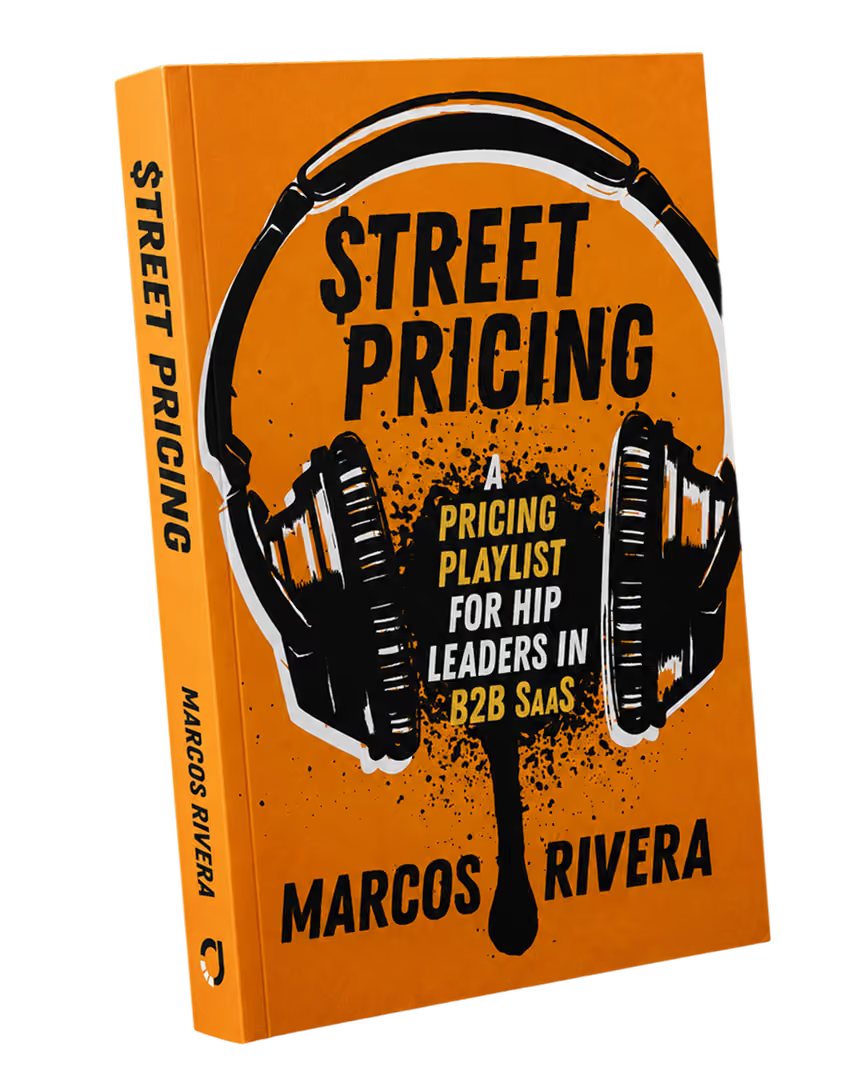
Street Pricing Book

Street Pricing Podcast

Questions from HR technology leaders
Has Pricing I/O worked with HR technology companies?
Has Pricing I/O worked with HR technology companies?
Yes — human capital management (HCM) and payroll, workforce management, learning management, employee engagement, benefits administration, and onboarding. Our client Deputy increased revenue 15% in under nine months, doubled annual plan signups, and came in 75% under their churn target.
What should HR software charge for instead of headcount?
What should HR software charge for instead of headcount?
It depends on what your product does. The test is whether the metric grows when your customer gets more from the software, rather than when they hire. A learning platform might charge for courses completed, a workforce platform for shifts scheduled, an engagement platform for participation. Whatever it is, your customer has to be able to see the number themselves.
Is per employee per month (PEPM) still the right model for HR software?
Is per employee per month (PEPM) still the right model for HR software?
For products the whole workforce touches, usually yes — buyers understand it and budget against it. The problem is that everyone uses it, so you are compared on the rate alone, and your revenue falls whenever your customer cuts staff. Most companies keep PEPM as the base and add something that reflects what the product actually delivers.
How should HR software price AI features?
How should HR software price AI features?
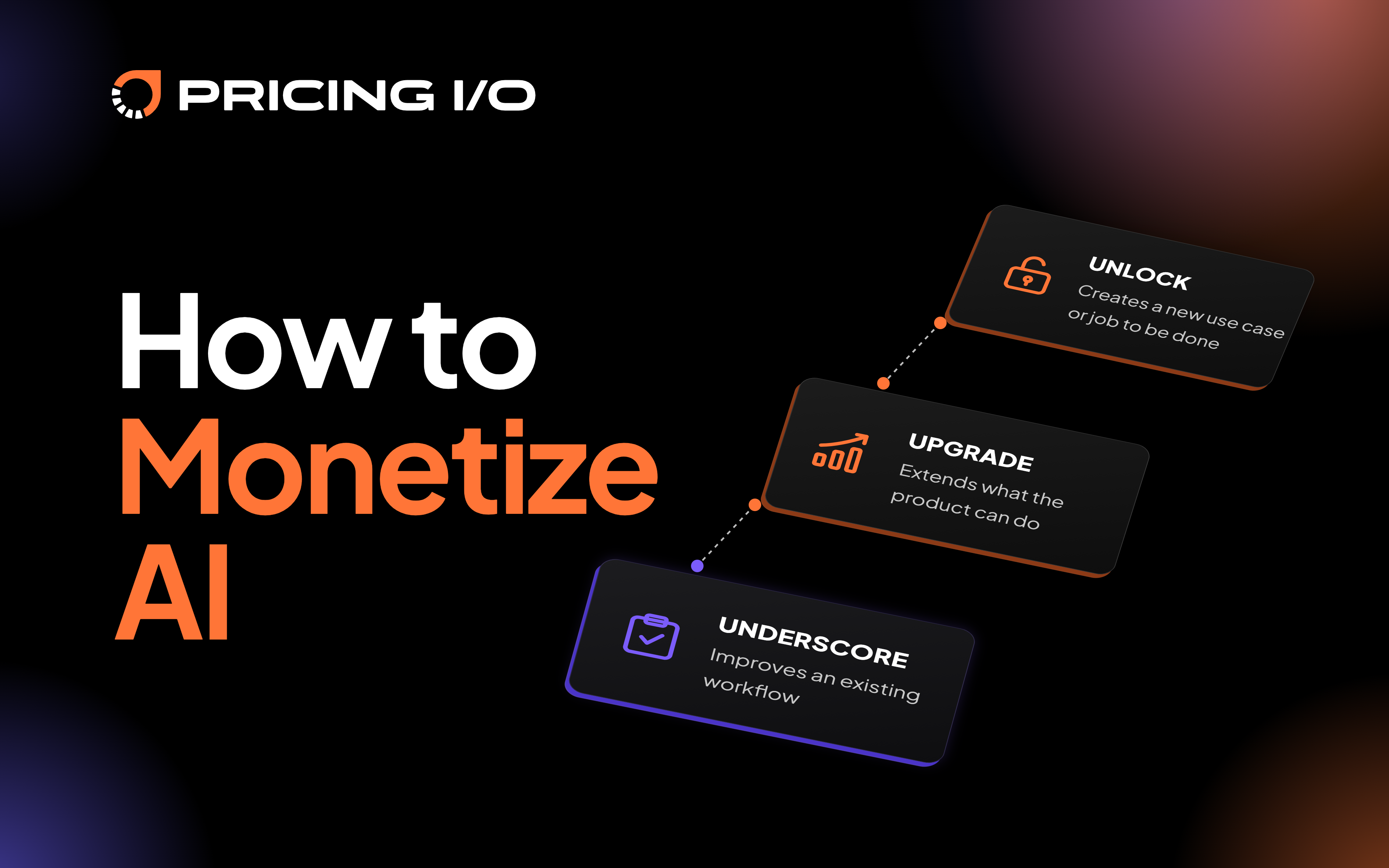
Not as a line item on top of per employee per month (PEPM). Most of the market is heading that way, and buyers are already pushing back. Price what the AI does. If it replaces work a person did, the question is what that work was worth — and if your customer's workforce is about to include AI agents, you need a price for a worker who is not an employee. More on pricing AI products.
How do HR software companies avoid competing on price alone?
How do HR software companies avoid competing on price alone?
Change what the buyer is comparing. When every vendor quotes per employee per month, the only variable left is the rate. A different value metric, or a package built around outcomes rather than modules, gives your team something to argue other than the number — and gives the buyer a reason to accept it.